


How to Become an eVTOL Pilot: Training, Certification and Flight Simulation
Introduction
Electric vertical take-off and landing (eVTOL) aircraft are creating new training considerations for the aviation industry. For aspiring pilots, entering this field requires an understanding of the applicable pilot qualifications, aircraft-specific training, and the role of flight simulation.
There is no single qualification pathway that automatically applies to every eVTOL aircraft. Requirements depend on the aircraft category, certification basis, intended operation, and applicable aviation regulations. In the United States, the Federal Aviation Administration (FAA) has established a powered-lift framework that addresses pilot certification and operational requirements for relevant aircraft.
This guide explains the key steps involved in preparing to fly an eVTOL aircraft, how transition training may apply, and how flight simulation can support the learning process.
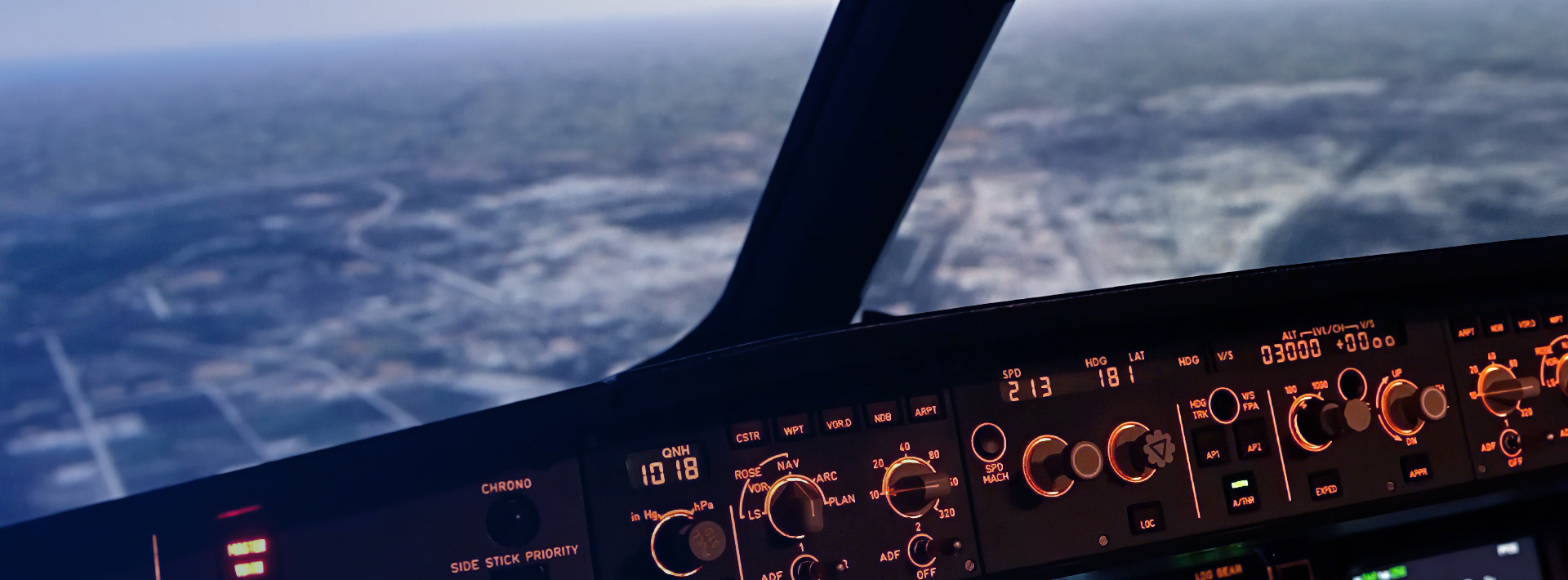
What Qualifications Does an eVTOL Pilot Need?
The qualifications required to operate an eVTOL aircraft depend on its regulatory classification and intended use. The term eVTOL describes electric propulsion and vertical take-off and landing characteristics, but it does not establish one universal pilot license for all aircraft.
In the United States, some eVTOL designs fall within the FAA's powered-lift framework. The applicable pilot certificate, ratings, training, and testing requirements must be confirmed for the specific aircraft and operation.
Before beginning training, prospective pilots should establish:
· The aircraft category and applicable certification framework
· The pilot certificate and ratings required for the intended operation
· Whether an aircraft-specific type rating or additional qualification applies
· The relevant knowledge tests, practical tests, and proficiency requirements
· Whether the intended operation requires additional privileges or training
Official FAA reference: https://www.faa.gov/air-taxis/FAQ
A conventional pilot certificate should not automatically be treated as authorization to operate every eVTOL model. The applicable requirements must be checked against current FAA rules and aircraft-specific provisions.
What Training Is Required to Become an eVTOL Pilot?
Although training programs vary by aircraft and operation, preparation generally involves three connected areas: aviation fundamentals, aircraft-specific knowledge, and practical operating procedures.
Aviation fundamentals
Pilots need a foundation in subjects such as aerodynamics, aircraft systems, weather, navigation, communications, and aviation safety. Existing flight experience may help, but the relevance of that experience depends on the applicable qualification pathway.
Aircraft-specific systems and procedures
An eVTOL aircraft may use electric propulsion, digital flight controls, automated functions, and a particular cockpit interface. Pilots need to understand the aircraft's systems, limitations, normal procedures, and relevant abnormal and emergency procedures.
The training syllabus should reflect the actual aircraft design and its approved documentation rather than assume that all eVTOL models operate in the same way.
Transition training
Transition training helps pilots adapt their existing knowledge and experience to a different aircraft or flight-control concept. Depending on the aircraft, training may address flight-mode awareness, automation, energy management, aircraft performance, and the procedures associated with different phases of flight.
The exact content and duration of transition training depend on the applicable regulations, the pilot's prior experience, and the aircraft-specific training requirements.
How Does Flight Simulation Support eVTOL Pilot Training?
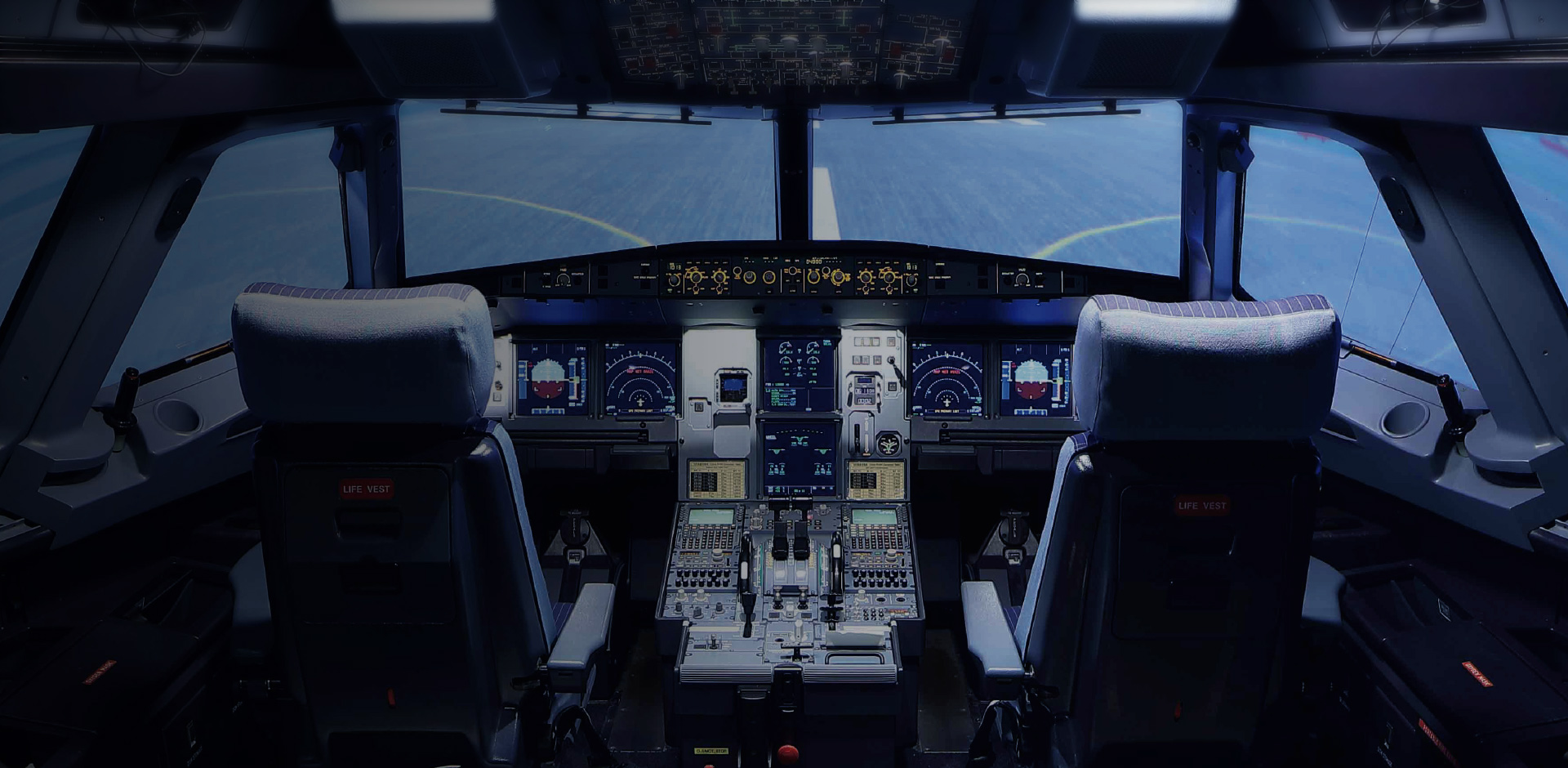
Flight simulation can provide a structured environment for learning cockpit procedures, practising selected flight scenarios, and reviewing pilot decisions. Its role depends on the simulator's capabilities, qualification status, and the objectives of the training program.
Cockpit familiarization
A simulator can help pilots become familiar with cockpit displays, control interfaces, system indications, and checklist procedures before or alongside aircraft-based instruction.
Procedure practice
Pilots can repeat selected procedures in a consistent environment. Instructors may use these sessions to identify misunderstandings, reinforce correct sequences, and review performance.
Scenario-based training
Where supported by the device and training program, scenarios may cover normal operations, changing weather, system alerts, workload management, and selected abnormal situations. Scenarios should reflect the aircraft's actual systems and documented procedures.
Training review and assessment
Simulation can support instructor feedback and post-session review. However, whether a device can provide formal training credit or be used for qualification checks depends on applicable rules, device qualification, and the approved training program. A simulator does not automatically qualify for regulatory training credit simply because it reproduces an aircraft cockpit.
How to Plan an eVTOL Pilot Training Pathway
A practical training plan should begin with the intended aircraft and operation, rather than a general estimate of how long it takes to become an eVTOL pilot.
1. Identify the target aircraft. Determine its category, certification status, and intended operating environment.
2. Confirm pilot qualification requirements. Check the applicable certificate, ratings, and any aircraft-specific requirements with the relevant authority.
3. Assess existing experience. Establish which previous qualifications and flight experience are relevant to the intended pathway.
4. Identify required training. Confirm the required theory, practical instruction, aircraft-specific training, and assessments.
5. Review the role of simulation. Determine which training objectives can be supported by the available simulator and whether the device is approved for the intended use.
6. Confirm the training provider. Ensure that the organization can deliver the required training under the applicable framework.
The time needed to complete the pathway varies with prior experience, aircraft-specific requirements, testing, and training availability. A general online estimate should not be treated as a guaranteed completion time.
eVTOL Flight Simulation Solutions
For organizations developing or delivering eVTOL-related training, simulation systems should be evaluated against clearly defined training objectives. Relevant considerations include the accuracy of the aircraft model, representation of cockpit systems, available scenarios, instructor tools, and the device's qualification status.
China Simulation Sciences (CSS) provides simulation-related solutions for aviation and advanced air mobility applications. Organizations considering a solution should confirm its configuration, actual capabilities, intended use, and relevant qualification status before deciding whether it meets a particular training requirement.
Learn more about CSS Advanced Air Mobility Simulation.
Frequently Asked Questions
1. Is there one universal eVTOL pilot license?
No. Requirements depend on the aircraft category, applicable regulations, and intended operation. The eVTOL label alone does not establish a universal pilot license.
2. What is the difference between eVTOL and powered-lift?
eVTOL describes electric vertical take-off and landing characteristics. Powered-lift is an FAA regulatory aircraft category relevant to certain aircraft designs. The terms are related but are not interchangeable in every context.
3. Can an experienced pilot transition to an eVTOL aircraft?
Potentially, but existing experience does not automatically authorize a pilot to operate every eVTOL model. Additional training, ratings, testing, or aircraft-specific qualifications may apply.
4. Can a simulator replace all aircraft-based training?
Not automatically. The role of a simulator depends on its qualification, the training program, and applicable regulations. Its use for formal training credit must be verified rather than assumed.
5. How long does eVTOL pilot training take?
There is no single timeline for all candidates. Duration depends on previous experience, applicable qualifications, aircraft-specific training, testing, and the availability of approved training resources.
Conclusion
Becoming an eVTOL pilot starts with identifying the applicable qualification pathway for the intended aircraft and operation. Pilots then need to complete the relevant aviation and aircraft-specific training, including transition training where required.
Flight simulation can support cockpit familiarization, procedure practice, and scenario-based learning when the device and training program are suitable for those purposes. The most reliable approach is to verify the current requirements with the relevant aviation authority and an appropriately authorized training provider before committing to a training plan.